
What Is Amazon FBA? The Amazon FBA Business Model Explained
 Updated on November 4, 2026
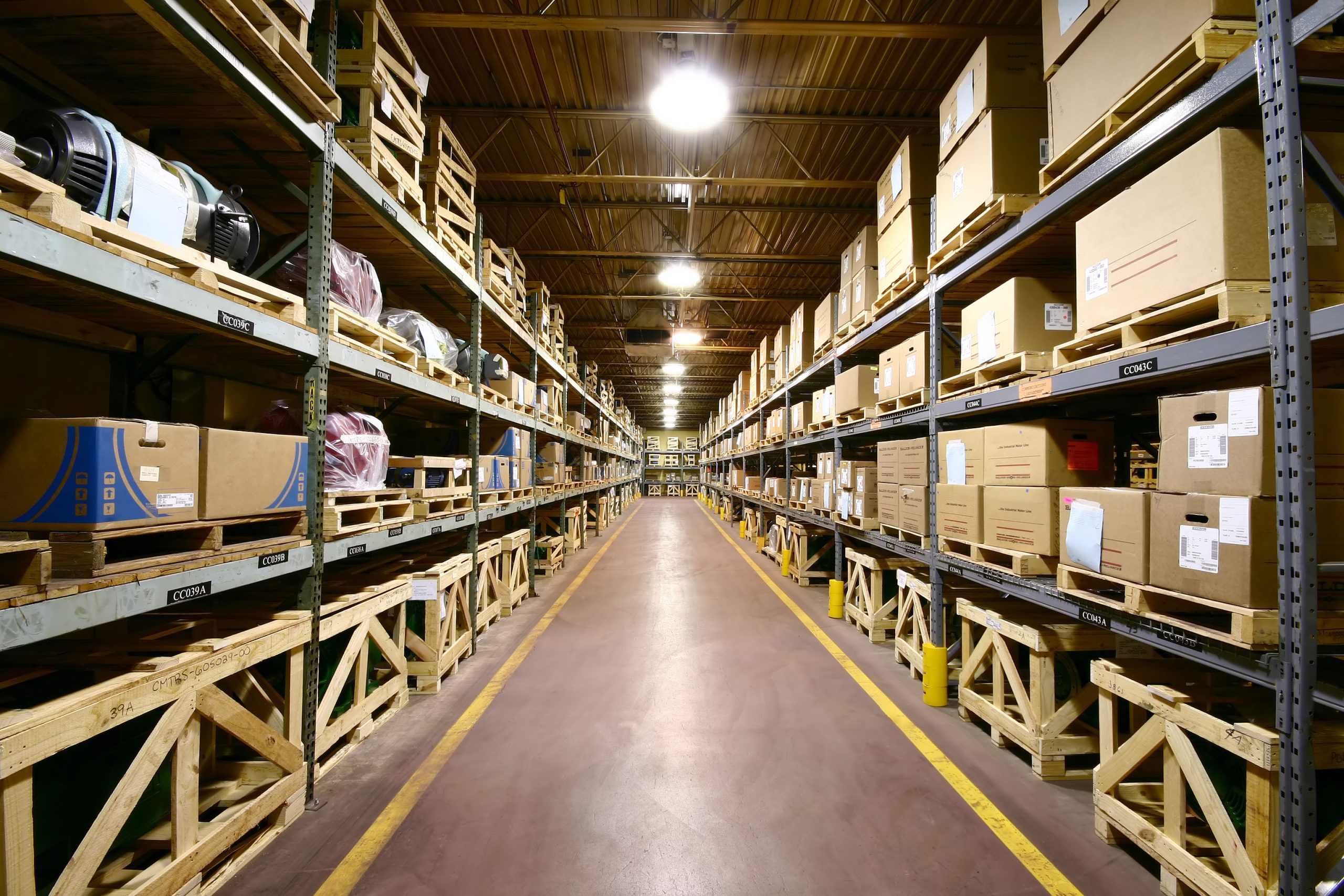
Amazon FBA (Fulfillment by Amazon) is a business model where you sell your own products on Amazon while Amazon stores, packs and ships every order and handles returns and customer service. It is also the most traded model on Empire Flippers: FBA made up 37% of the businesses we sold in 2025, with 62 sales at an average multiple of 2.1x.
What Is Amazon FBA?
Amazon FBA stands for Fulfillment by Amazon. You own the products and the brand. Amazon holds your inventory in its fulfillment centers, ships each order to the customer, and handles returns and customer service. In return, you pay Amazon fulfillment and storage fees on top of its selling fees.
An Amazon FBA business is the whole operation built on that service: the product, the supplier, the Amazon listings and the sales history. That is also what a buyer gets when an Amazon FBA business is for sale. Here is how the process works:
- You set up an agreement with a factory/supplier to provide you with a product.
- You ship that product from the factory (often from overseas) to an Amazon Fulfillment facility.
- Instead of being housed by you or another warehouse, the product sits in a warehouse owned by Amazon.
- When people buy your product off Amazon, Amazon “fulfills” the order by handling all of the logistics, including shipping, returns, and customer service.
In addition to fulfillment, Amazon FBA also includes some pretty awesome benefits, which we will dive into here in a second.
How the Amazon FBA Business Model Works
Most FBA businesses follow one of two sourcing models. Private label sellers have a manufacturer make a product under their own brand, which gives them control over price and listings. Wholesale sellers buy existing branded products in bulk and resell them, which is faster to start but leaves less room to stand out. In both cases the money comes from the gap between the sale price and the full cost of the product, Amazon’s fees, freight and advertising.
When someone comes to your Amazon FBA listing, looks at the product, and buys the product from Amazon, you make money. It is a pretty straightforward process from there. Amazon ships the product to the purchaser, and you just make sure you have enough stock to meet the demand of the market.
Click Here to Download the FREE E-Book Detailing All 11 Online Business Models
What an Amazon FBA Listing Looks Like
Here is an example of an Amazon FBA listing page:

If you buy anything off of Amazon, this is a page you are probably super familiar with. With an Amazon FBA business, you get the same internet real estate as other Amazon items to use as your “website” to sell your items through.
Advantages of the Amazon FBA Business Model
There are a lot of benefits to the Amazon FBA business model. Once you have an Amazon FBA business that is driving profits, the business model itself creates more passive income and lowers work intensity. Once the product, supplier and listings are stable, many owners spend only a few hours a week on the business. The FBA businesses buyers pay most for usually need under 10 hours a week from the owner.
People who love the Amazon affiliate business model often really love Amazon FBA businesses, because you now have hordes of Amazon affiliates to sell your product.
This is a fantastic benefit, as you could potentially have affiliates driving significant amounts of traffic to your Amazon listing and providing you with customers.
Speaking of traffic, an Amazon FBA business benefits from all the traffic that Amazon already gets. Amazon is an absolute juggernaut of organic traffic, and this can drive significant sales your way. If your product starts doing really well, with a spike in sales, it can trigger the Amazon algorithm, and they will promote your product to potential buyers throughout their website via “Related Products,” or by being the “Best of” in a certain category.
There is also a “People Who Bought This Product Also Bought This” category where your product could be featured depending on your sales.

Because of the variety of places where your products can be promoted, Amazon could send significant organic traffic to your product page without any work on your part. Many Amazon FBA owners rely 100% on this organic traffic to generate their revenue.
Compared to having your own website and online store, Amazon wins hands down in terms of the amount of traffic they will send to you for free.
That said, it is never a safe idea to bet all of your traffic on one system.
Many Amazon FBA owners also use Google organic traffic to send traffic to their products. You can have a keyword-rich Amazon product listing targeting keywords that get good search traffic (you can use the Google Keyword Planner as a free tool to find these keywords), and then use several different link packages to start driving good backlinks towards your listing (such as the Hoth).
This is a benefit Amazon FBA has over AdSense & Amazon affiliates (or almost any other business model), since in their cases your website will usually be too young and lack the authority to have so many links pointed towards it without Google seeing some red flags.
In addition to these special little traffic streams you can take advantage of, an Amazon FBA business tends to have much higher profit margins than if you were doing Google AdSense or Amazon affiliate websites. Just like an affiliate, though, all of the logistics are handled for you every time you make a sale. Amazon ships the product and handles all the customer service through their FBA program.
If you are familiar with and love the Amazon Prime membership that Amazon offers, you might love having an Amazon FBA business as well, since your FBA listings qualify for Prime, allowing all of your customers to benefit from free shipping. This is fantastic, since online shoppers are twice as likely to respond to free shipping than they are to product discounts.
As your Amazon FBA business grows, you might want to eventually start distributing your products outside of Amazon as well. One of the nice things about the Amazon FBA program is that it allows for multi-channel distribution, meaning that if you start up your own online store, and someone comes there and buys your product, Amazon will still ship it for you.
Disadvantages and Risks of Amazon FBA
While there are plenty of benefits that come with an Amazon FBA model, it is not all roses and sunshine. There are several flaws in the business model that you should be aware of before you build this kind of business, or should take into account if you are in the market to sell an Amazon FBA business that you have already built.
First of all, don’t expect to throw up a product and think Amazon is just going to send you organic traffic. Unless your product is something that people are showing an active interest in (i.e., you have spikes in sales in a very short period of time), Amazon is not going to put in a lot of promotional work.
They only promote products that are objective winners in their marketplace, so if you want to reap the rewards of that organic traffic, you will have to hustle a little bit when your product first goes live.
Another downside with Amazon FBA is a dilemma in dealing with suppliers. This negative is something that is actually shared by dropshippers and e-commerce business models as well. In many ways, your supplier is the life of the business. If demand for your product becomes very high, your supplier might not be able to produce the item for you fast enough.
Or they could change their policies on you, in a way that could significantly cut into your profit margins. At the end of the day, suppliers are businesses as well, which means they can go out of business, leaving you with a bunch of orders to fulfill and no supplier to build your product. Because of this, we always suggest you look into multiple suppliers, so you have backup channels in case an emergency like this happens.
In addition to all of this, it can be a hassle finding the right supplier. You need to have the supplier send you a prototype of the product you will be listing on Amazon to make sure it is a quality item. After you set yourself up with the right factory, you then need to research whether the product should be shipped via air or via ocean cargo ships.
Usually, transferring product via cargo ships to an Amazon FBA warehouse is going to be the cheaper route. Either way, figuring out the logistics is important as it can seriously decrease your profit margin if you choose a poor shipping solution.
Overall, the entire business model relies on Amazon. You are essentially playing in their ballpark. If they change a policy, such as not making your products available for Amazon Prime anymore, it could seriously impact your business. Since you have no control over what Amazon does, if they do something that hurts your business, it is completely out of your hands.
The biggest risk is dependence on one platform. A listing suspension, a fee change or a stockout can cut revenue overnight. Strong FBA owners reduce that risk with a backup supplier, a trademark and Amazon Brand Registry, and at least one sales channel outside Amazon.
If you’d like a general overview of the e-commerce business model, then make sure to check out our free YouTube video explaining it below:
Is Amazon FBA Profitable?
Yes, Amazon FBA can be profitable, but high sales do not guarantee high profit. Margin depends on product cost, Amazon fees, ad spend, competition and how well you manage stock.
As far as the revenue earned from an Amazon FBA business goes, you can break it down using this rule of thumb:
- ⅓ Product costs
- ⅓ Amazon costs
- ⅓ Profit
Sales data from Empire Flippers shows what profitable FBA businesses are worth today:
- 62 Amazon FBA businesses sold on Empire Flippers in 2025, the most of any business model
- $282,910 average sale price, with most deals in the six-figure range
- 2.1x average multiple of annual net profit
- 4 sellers exited for $1,000,000 or more
See how those numbers are calculated in our guide to how Amazon FBA businesses are valued.
Amazon FBA Fees and Startup Costs
Amazon FBA costs fall into two groups: what Amazon charges on every sale, and what you spend to get stock into its warehouses.
- Fulfillment fees: charged per unit Amazon picks, packs and ships, based on size and weight
- Storage fees: charged monthly for inventory in Amazon’s fulfillment centers, with extra charges when stock sits too long
- Selling fees: charged by Amazon on each sale, whether or not you use FBA
- Advertising: Sponsored Products and other Amazon ads, often the largest variable cost for new products
- Product and freight: manufacturing, packaging, inspection and shipping to Amazon; sea freight costs about half as much as air
To start from scratch, new sellers spend about $3,836 on inventory, fees and setup, based on Jungle Scout research cited in our guide on whether to buy an Amazon FBA business or start one. Plan for about three months of inventory before launch. Amazon updates its fee tables regularly, so check Seller Central before you price a product.
Amazon FBA vs FBM and Other Business Models
With FBA, Amazon fulfills your orders. With FBM (Fulfilled by Merchant), you or your own warehouse store and ship them. Many sellers use both: FBA for fast-moving products and FBM for oversized, slow or high-margin items.
| Model | Who holds stock and ships | Main advantage | Main risk |
|---|---|---|---|
| Amazon FBA | Amazon | Prime eligibility and hands-off fulfillment | Amazon fees and account dependence |
| Amazon FBM | The seller or a third-party warehouse | More control over costs and shipping | More operational work; slower delivery can hurt sales |
| Dropshipping | The supplier ships directly to the customer | No inventory to buy upfront | Thin margins and little control over quality |
| Amazon affiliate site | Nobody; the site earns a commission | No products or stock | Depends on search traffic and commission rates |
What to Check Before Buying an Amazon FBA Business
Before buying an Amazon FBA business, you need to know a few things.
The product is extremely important. If the product requires electronics, you are going to face some uphill battles with potential technical difficulties. You might get an entire batch of faulty electronics shipped out to your customers without even knowing it, until the one-star reviews start flooding in and kill all the momentum of your listing page!
Another product concern is with digestibles. As much as you want to sell an awesome protein shake and get in on the meal replacement wellness industry, you have to be careful. It is better if these products come from American factories held to American standards. And even if this is the case, if someone gets sick from your product, you may be facing more than just one-star reviews from consumers who could become sue-happy towards your company.
The best Amazon FBA products are simple, typically costing $10 to $50. These are usually smaller products. If you decide you really want to get into an Amazon FBA business selling bigger products — such as foosball tables, for example — realize you will be paying much higher storage fees from Amazon to keep your product in their warehouse.
As we mentioned earlier, suppliers are incredibly important to the success of this business. You need to make sure that the seller of an Amazon FBA business will introduce you to the supplier and the shipping company that they are currently using. In a best-case scenario, they will also have a few other suppliers you can reach out to in case of an emergency, or if you need to switch suppliers for any other reason.
It is always a great deal if you can get the supplier to make that product exclusively for you, since it will cut down on copycat marketers significantly.
Before you pull the trigger to buy the business, make sure you also check that the seller has enough supplies to match current demand till the next shipment comes in. The last thing you want is to buy a business with a supply chain issue!
Ask for at least 12 months of Seller Central reports, check the account health page, and confirm the supplier will keep working with a new owner. Our step-by-step guide on how to buy an Amazon FBA business covers the full process, from verifying your funds to migrating the account into your name.
Keep all of these points in mind, and it will help you to successfully buy a potentially very lucrative Amazon FBA business.
If you want to find a profitable FBA business that’s ready to be acquired, register for a free account on our marketplace.
What Makes an Amazon FBA Business Sellable
Buyers pay the highest multiples for FBA businesses that run without the owner. On Empire Flippers, FBA businesses typically sell for 1.6x to 3.7x their last 12 months of net profit, plus the wholesale value of inventory. What moves a business to the top of that range:
- 12 months or more of steady, verified profit (the minimum to list is $24,000 net profit a year)
- 3 to 8 products, so one listing does not carry the whole business
- Under 10 hours a week of owner time
- A trademark, Brand Registry and a reliable supplier with a backup
Empire Flippers rejects over 90% of businesses submitted each week, and FBA businesses that pass sell in an average of 114 days. Check what yours could be worth with our free valuation tool.
When selling your Amazon FBA business, there are a few points to keep in mind to help maximize the profit you earn from the sale and make the whole process go as smoothly as possible.
First things first: have solid proof of earnings and a successful track record using the same supplier. While 12 months is the minimum to list, the longer you have a track record of success, the more you can ask for your website.
Track all of your expenses meticulously. Amazon FBA is a notoriously capital-intensive business, as people are often shelling out tens of thousands of dollars a month to keep Amazon warehouses topped up with enough product to meet market demand.
A good practice to start is to pull all of the reports from your Amazon Seller Central account every single month since Amazon won’t let you go back farther than three months for most of these reports. Some important reports that potential buyers will be looking at are the reports filtered by SKU, inventory, ACoS, and your PPC stats. While some buyers might not be interested in this data, having more data to share is always the better move to make the business more attractive.
As is the case for buyers, as a seller, you too should make sure your supply chain is working perfectly. Work out any hiccups before listing your business for sale. There should be plenty of product in the warehouse and product on the way for the buyer, so that they have ample time to get up to speed on running the business.
You will want to introduce the buyer to the supplier and shipping company that you use. Offer training and support in handing off the business. If you can, also have a small Rolodex of backup suppliers that the buyer can use in case the current supplier changes their policies or, in the worst-case scenario, goes out of business and can no longer create the product.
Do all of these things, and you will stand a strong chance of selling your business much quicker and likely for a much higher listing price. To get a more detailed guide on selling your FBA business, take a look through our blog post: how to sell an Amazon FBA business.
It will give you everything we’ve learned about selling Amazon FBA businesses, including how to maximize your valuation and how to correctly prepare your business for sale.
How to Grow an Amazon FBA Business
As mentioned throughout this article, there are tons of growth opportunities for Amazon FBA businesses. Since most of them rely on Amazon organic traffic, the paths listed below are the best route for taking a profitable Amazon FBA business and growing it even more.
Paid Traffic
This is the easiest option for sending new targeted customers to your Amazon listing. Many e-commerce stores make their entire revenue using Facebook ads. The nice thing about paid traffic is that there is no waiting around. It is like turning on a water faucet. That said, you want to test this and monitor paid campaigns closely, so you do not take a wash in losing a bunch of money. Use Amazon Brand Analytics to see which search terms drive sales before you raise ad budgets, and compare your numbers with what six-figure FBA businesses have in common.
Build a Brand
This is one of my favorite strategies. Instead of having a ton of unrelated Amazon products, why not create a true brand for your products? By creating a brand, it will become easier to market in other channels. Instead of having “Random Red BBQ Brush,” you might have “Extreme Chef Red BBQ Brush,” and once you have a brand, you could introduce other Extreme Chef products to an audience that will recognize the brand and buy your products based on that alone. Registering your trademark with Amazon Brand Registry protects your listings and unlocks extra marketing tools.
Build an Email List
This is not always a viable strategy. However, if you are focused on building a brand with a suite of relevant products, this can be very effective. You are turning your Amazon presence from a niche product listing into an authority by doing this.
You will need to share good content with your email subscribers outside of just promoting your product launches, but this is a great channel to let people know when you have special deals going on or to email out during high buyer season like Black Friday and Christmas.
Social Media
This marketing method will be easier if you decide to go the brand route, obviously. Organic traffic from places like Instagram, Twitter, and Pinterest can be insanely lucrative. The best part about this traffic is that it is usually free, and in the case of Instagram and Pinterest, it can be somewhat passive as people keep rediscovering your pictures.
Open a New Distribution Channel
Instead of relying 100% on the Amazon platform to sell your goods, you should eventually expand into starting your own e-commerce store selling the same products. Since Amazon FBA will still fulfil the shipping of your product to your customers even if they bought it on a different website than Amazon, this should be something you seriously take advantage of, as it protects you too.
If Amazon ever closed down their FBA program or changed the rules, it will be a simpler matter to transfer your product over to a new fulfillment service, as you already have a second web presence to sell your products through.
Amazon FBA FAQs
How much does it cost to start an Amazon FBA business?
New FBA sellers spend about $3,836 on average on inventory, fees and setup, based on Jungle Scout research. Most of that goes into the first inventory order, and you should plan for about three months of stock before launch. Budget separately for product photos, samples and launch advertising. Our guide on how to start an Amazon FBA business walks through each step.
Is Amazon FBA worth it for beginners?
Amazon FBA can be worth it for beginners who have working capital and time to test products, but the first year is the hardest part. Most early mistakes come from product choice, thin margins and running out of stock. If you would rather skip the launch phase, you can buy an FBA business that already has a 12-month sales history; compare both paths in buy vs start an Amazon FBA business.
Is Amazon FBA oversaturated?
Some product categories are crowded, but the model itself is not. A quick test: if most of the top three to five products in a category have more than 50 reviews, it may be too competitive for a new seller. Look for products with steady demand, room to improve on existing listings and a price between $10 and $50. See our Amazon FBA product research guide.
Can you make $1,000 a month selling on Amazon FBA?
Yes, $1,000 a month in profit is possible, but it takes more sales than most people expect. Using the rough rule that a third of revenue goes to product costs and a third to Amazon costs, $1,000 in monthly profit needs about $3,000 in monthly sales. Your real margin depends on your product, fees and ad spend.
Is Amazon FBA still profitable in 2026?
Yes, Amazon FBA is still profitable for well-run businesses. FBA was the most sold business model on Empire Flippers in 2025: 62 sales at an average price of $282,910 and an average multiple of 2.1x. Profit depends on margins, inventory control and keeping ad costs in check, not on the model alone.
Which is better, Amazon FBA or FBM?
Amazon FBA is better for most small, fast-selling products because Amazon handles storage and shipping and your listings qualify for Prime. FBM is better for oversized, slow-moving or high-margin items where FBA storage and fulfillment fees eat too much margin. Many sellers use both.
What are the main Amazon FBA fees?
The main Amazon FBA fees are fulfillment fees per unit, monthly storage fees and Amazon’s selling fees on each sale. Most sellers also pay for advertising, plus product costs and freight to Amazon’s warehouses. Amazon updates its fees regularly, so check current rates in Seller Central before pricing a product.
Can I buy an existing Amazon FBA business instead of starting one?
Yes. Empire Flippers lists vetted Amazon FBA businesses with verified profit and publishes new ones every week. Registration is free, and Verified Buyers who show proof of funds can unlock up to 100 listings in their price range and get a Business Advisor. Browse Amazon FBA businesses for sale.
How much is an Amazon FBA business worth?
Most Amazon FBA businesses sell for 1.6x to 3.7x their last 12 months of net profit, plus the wholesale value of inventory. The average on Empire Flippers in 2025 was 2.1x. Business age, stable earnings, SKU diversity, a trademark and low owner involvement push the multiple up. Get an estimate with our free valuation tool.
Can you sell an Amazon FBA business?
Yes, you can sell an Amazon FBA business like any other profitable online business. To list on Empire Flippers, it needs at least 12 months of earnings and at least $24,000 in annual net profit. FBA businesses sold in an average of 114 days, and we handle buyer vetting, negotiation and the account migration. Sell your business with us.
Next Steps: Start, Buy or Sell an FBA Business
- Start one: follow our guide on how to start an Amazon FBA business and use our Amazon FBA product research guide to pick your first product.
- Buy one: browse vetted Amazon FBA businesses for sale. We publish new businesses every week; register for free to unlock full listings.
- Sell yours: see how to sell an Amazon FBA business for maximum profit, estimate your fee with our commission calculator, then list with us.

Discussion
the only problem and price competitiveness
Hey Barros,
Would you like to explain that further?